April Showers Bring May Flowers…And Flooding
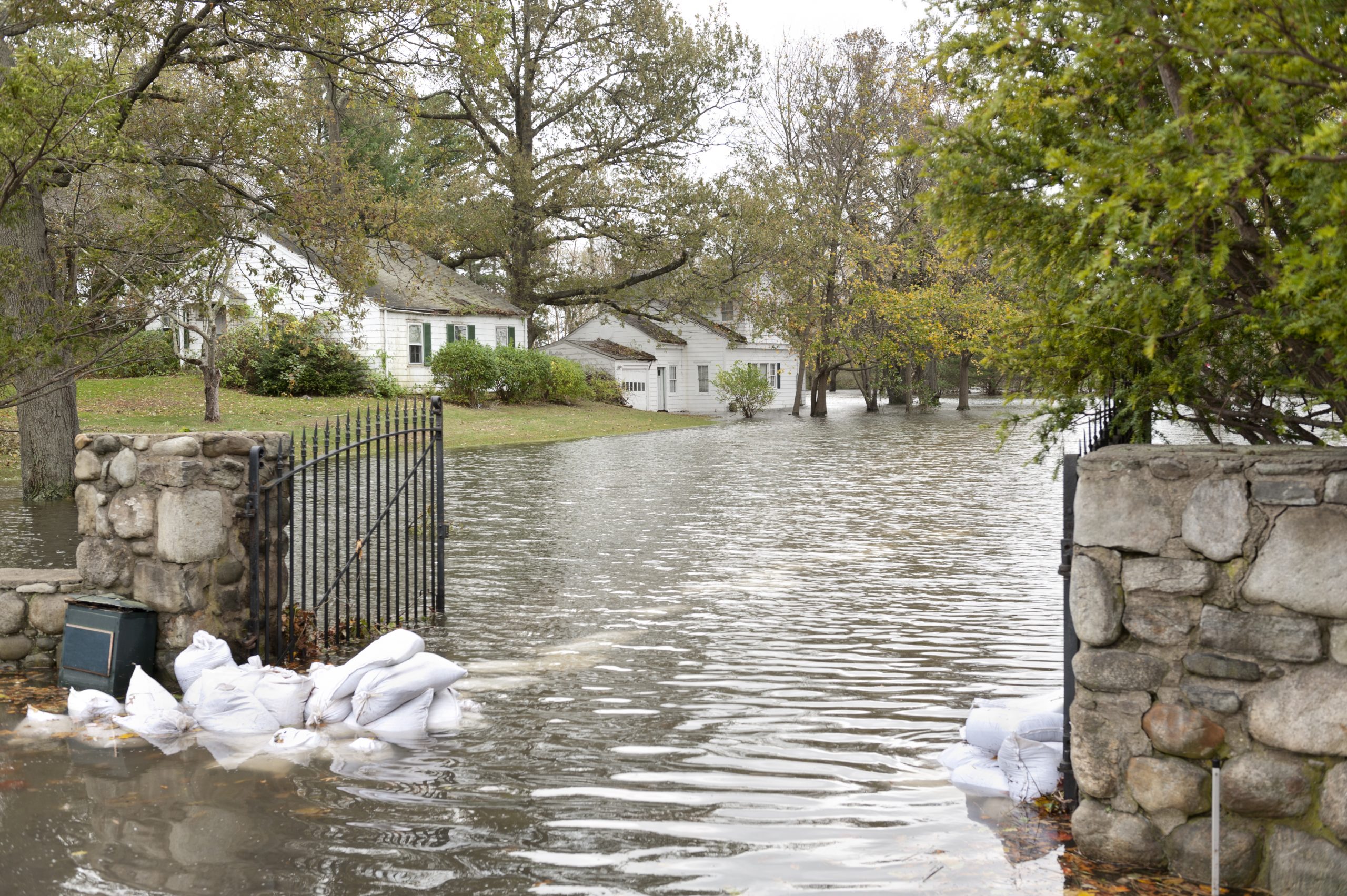
Winter may dominate slip-and-fall litigation, but spring introduces a different kind of risk – one that’s often underestimated until it becomes central to a case: rainfall and flooding.
After a season where snow and ice reports were critical for hundreds of cases, the transition into spring shifts the focus. Rainfall events, particularly those driven by thunderstorms, can create highly localized and intense conditions. If you rely on generalized weather data, you risk missing what actually happened at the exact loss location. That’s where site-specific rainfall analysis becomes essential.
Why Rainfall Data Requires Precision
Not all rainfall is created equal. And more importantly, it’s not evenly distributed.
A reporting station several miles away may show moderate rainfall, while the actual loss site experienced a much heavier downpour. This discrepancy matters as it can impact liability, timelines, and case outcomes.
Using Doppler radar, our experts reconstruct rainfall conditions with location-specific precision. Instead of relying on broad regional summaries, you get a detailed breakdown of what occurred exactly where and when it matters. You gain a defensible, site-specific analysis that strengthens your argument and eliminates uncertainty.
What a Rainfall/Flooding Report Delivers
A comprehensive Rainfall/Flooding Report goes beyond basic rainfall totals. It provides a expert analysis designed for legal scrutiny.
Here’s what you can expect:
- Hourly rainfall totals and comparisons to normal values
Understand not just how much rain fell, but how it compares to typical conditions. - 24-hour rainfall totals and historical context
Evaluate whether the event was routine or extreme. - Frequency analysis of the rainfall event
Determine how rare, or common, the magnitude of rainfall is for that specific location.
When to Go Deeper: Rainfall Threshold Studies
In more complex cases, a single report may not be enough. That’s where a Rainfall Threshold Study adds another layer of clarity. By analyzing historical data over years or even decades, this study determines how often a location has experienced similar rainfall levels.
This is especially valuable when:
- You need to establish whether an event was truly “extreme”
- Opposing counsel challenges the severity of conditions
- Long-term patterns influence infrastructure or property-related claims
You’re not just proving what happened, you’re proving how unusual it was.
Why Doppler Radar Matters in Legal Cases
Thunderstorm-driven rainfall can vary dramatically within short distances. Traditional weather stations simply don’t capture that level of variability.
Doppler radar changes the equation by allowing you to:
- Pinpoint rainfall at the exact loss location
- Capture localized storm intensity
- Eliminate reliance on distant, potentially irrelevant data sources
This precision translates directly into stronger, more credible findings.
The Risk of Getting It Wrong
If you rely solely on generalized weather data, you introduce uncertainty into your case. That uncertainty can be exploited, challenged, or misinterpreted.
In contrast, a forensic weather analysis provides:
- Accuracy – location-specific data you can stand behind
- Reliability – consistent methodology backed by science
- Confidence – clear, defensible conclusions that hold up under scrutiny
Your Next Rainfall/Flooding Case
As spring progresses, rainfall-related incidents will only increase. The question is not whether the weather will play a role, it’s whether you’ll have the right analysis for your case.
If rainfall or flooding is even a potential factor, bringing in a forensic weather expert early ensures you’re working with accurate, reliable information from the start.