
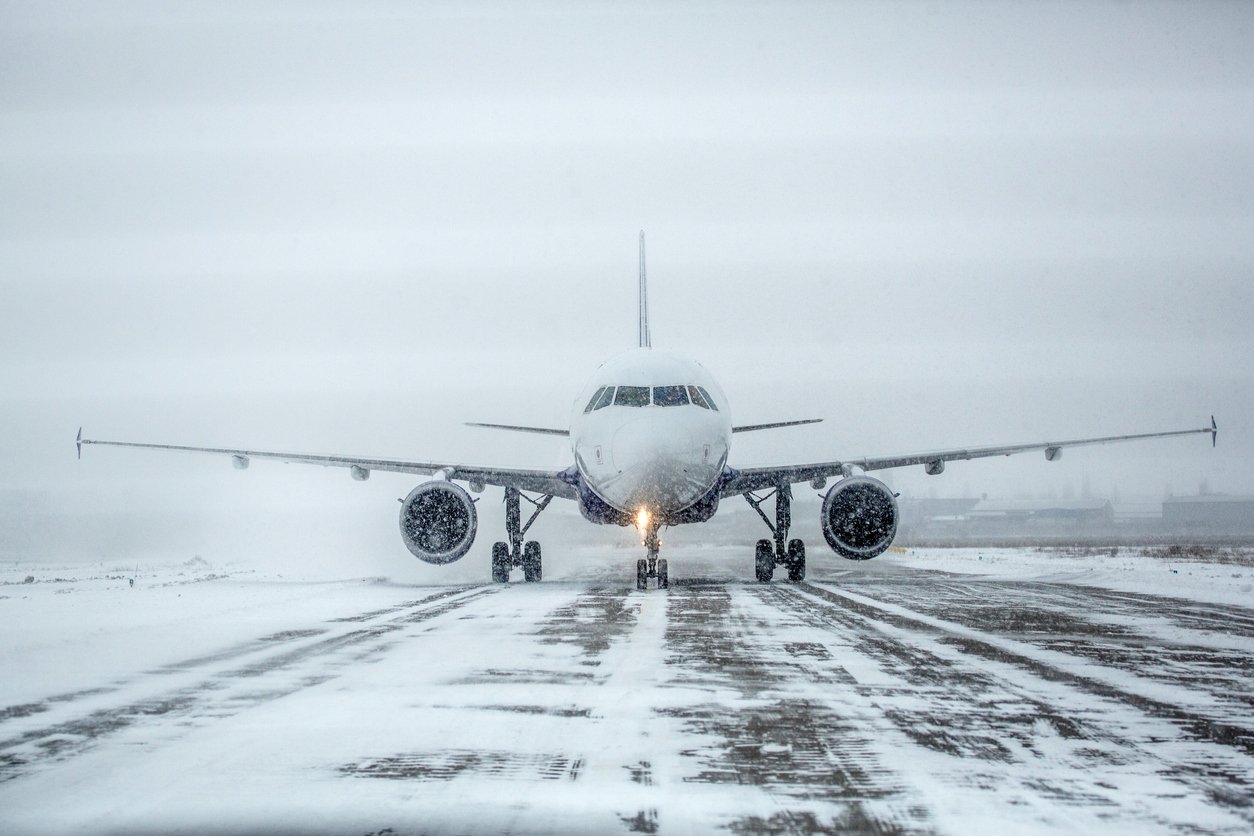
Historical Weather Analysis for Aviation Accident Investigations
When an aviation accident occurs, the weather often plays a far more significant role than most people realize. Pilots rely on visibility, wind conditions, forecasts, and atmospheric stability to make critical decisions every minute of a flight. When any of those elements shift unexpectedly, or when hazardous weather was foreseeable and not properly accounted for, it can influence liability, causation, and the overall direction of your investigation.
Historical weather analysis gives you the clarity you need to understand what conditions existed before, during, and after the incident. It becomes the foundation for determining whether the weather contributed to the event, whether forecasts should have altered decision-making, and whether the aircraft encountered hazards that were known or should have been anticipated.
Understanding the Conditions That Matter Most
Most aviation matters we work on involve crashes, turbulence-related injuries, and damage caused by severe or unexpected atmospheric conditions. But our analysis isn’t limited to catastrophic events. Any flight issue that raises questions about wind, visibility, temperature, or storms can benefit from a site-specific weather investigation.
By reviewing historical data, our experts determine:
- Wind speeds at the ground and aloft
- Fog and visibility at the time of the event
- Temperature and moisture profiles
- Precipitation type, intensity, and timing
- Turbulence potential
- Cloud ceiling and atmospheric stability
Even subtle variations in these conditions can affect aircraft performance, pilot decision-making, and flight safety. Historical weather analysis by a forensic weather expert will reconstruct those details with precision.
When Forecasts Become Part of the Story
Forecasts often play an essential role in aviation investigations. They shape pre-flight decisions, route planning, fuel calculations, and sometimes the choice not to fly at all. When the weather deteriorates or conditions differ from what was anticipated, you need to assess whether the forecast was clear enough to justify the actions taken.
Key questions often include:
- Should a small aircraft have remained on the ground based on visibility or wind forecasts?
- Should the aircraft have taken a different route based on predicted turbulence or storm activity?
- Were strong surface winds or low-level wind shear foreseeable?
- Did the pilot have access to advisories or warnings that should have informed the flight plan?
Historical forecasts and advisories provide the context needed to understand whether decisions aligned with the information available at the time.
Filling the Weather Gaps in Your Case
Aviation cases move quickly, and you’re often piecing together information from multiple sources like flight logs, maintenance records, witness statements, radar tracks, and incident reports. Weather is frequently the missing piece. Without a clear picture of the atmospheric environment, assumptions can easily shape the narrative.
That’s where a forensic weather expert becomes essential. We fill that weather void so you can build a strategy grounded in facts, not guesswork. Our analysis helps you avoid pitfalls that arise from misinterpreting or overlooking critical environmental factors.
Why Historical Weather Analysis Strengthens Your Strategy
When you understand the weather, you understand the environment the aircraft was operating in. That insight helps you:
- Evaluate pilot actions and decision-making
- Determine whether hazards contributed to the incident
- Assess foreseeability based on forecasts and advisories
- Identify contributing factors such as wind shear, turbulence, or visibility issues
- Prepare for opposing expert reports, mediation, or litigation with confidence
Aviation matters often hinge on technical details. Historical weather analysis gives you the accuracy you need to build a clear, defensible position.
Turn to CompuWeather for Your Aviation Cases
Whether the incident involves turbulence, a crash, a hard landing, or any weather-related event, the atmospheric conditions at play must be carefully examined. Our meteorologists specialize in reconstructing those conditions using site-specific sources so you can move forward with a complete and reliable picture of what happened.


